1. Core Features of Industrial Embedded PCs
Our embedded systems are designed for 7x24h long-term operation in harsh environments. We address the core challenges of industrial sites through:
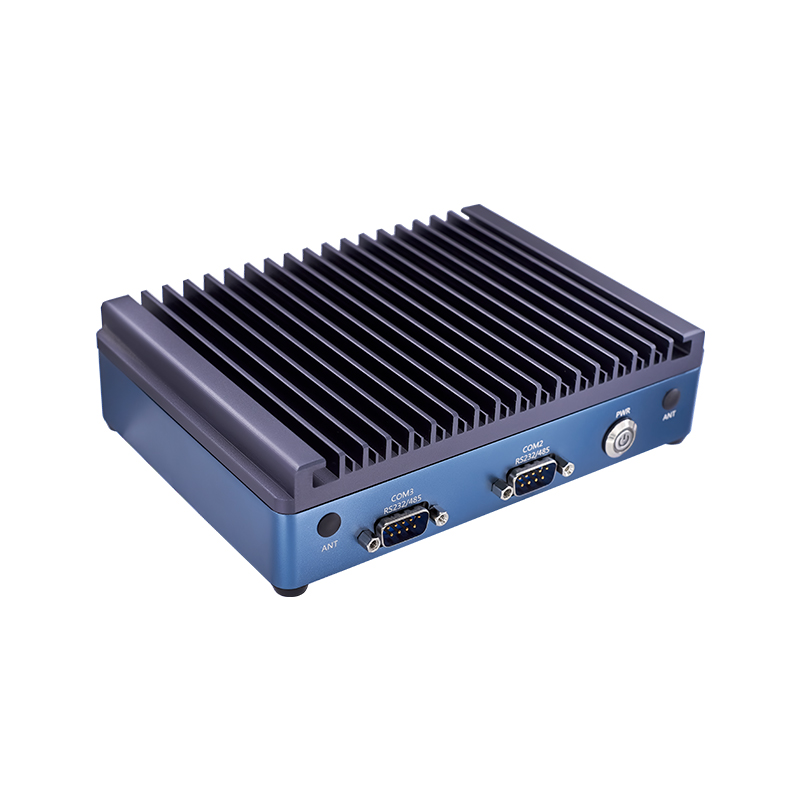
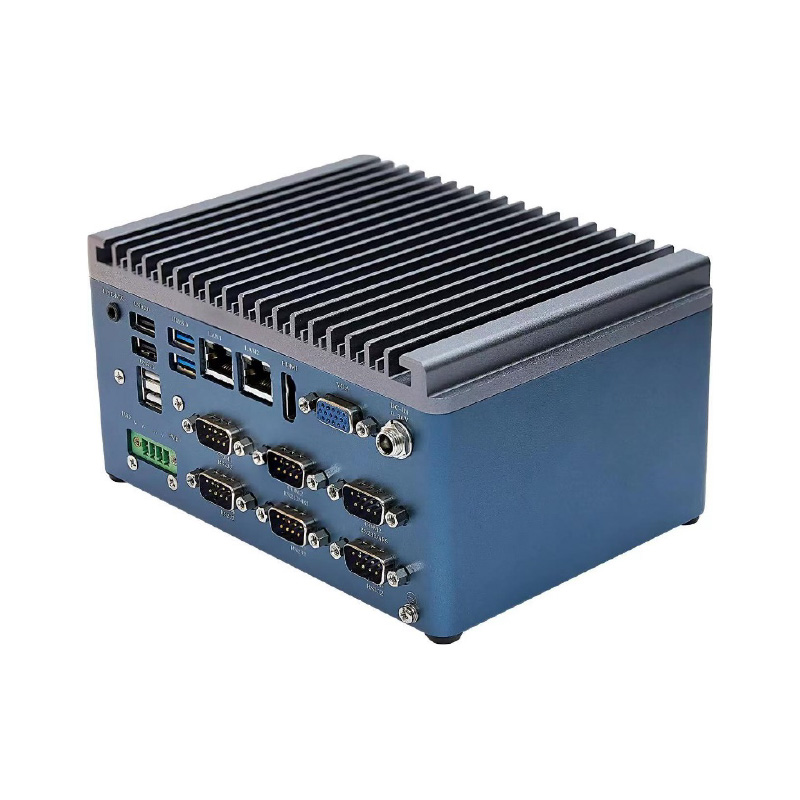
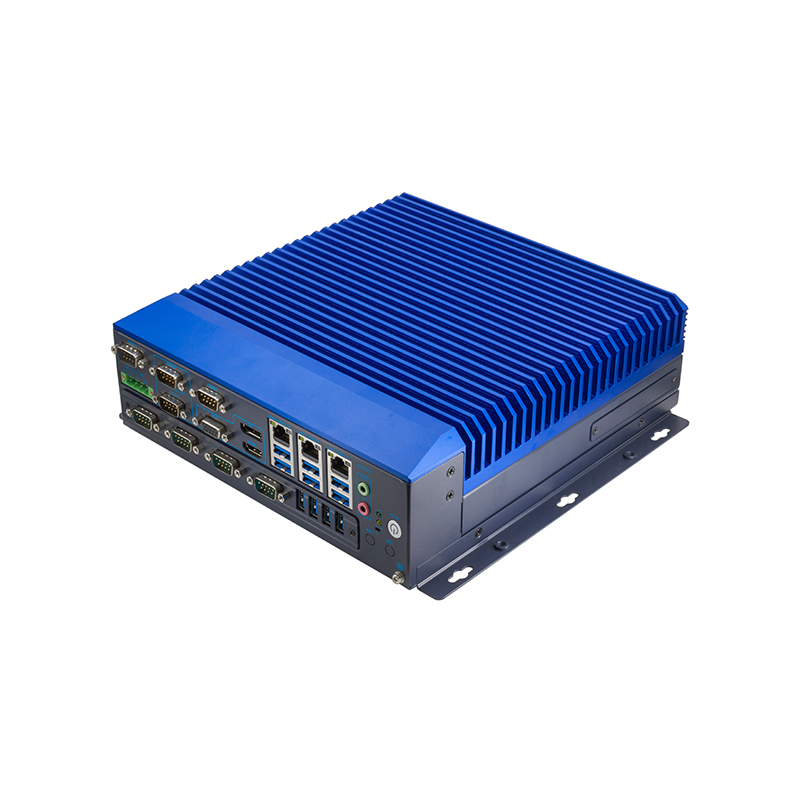
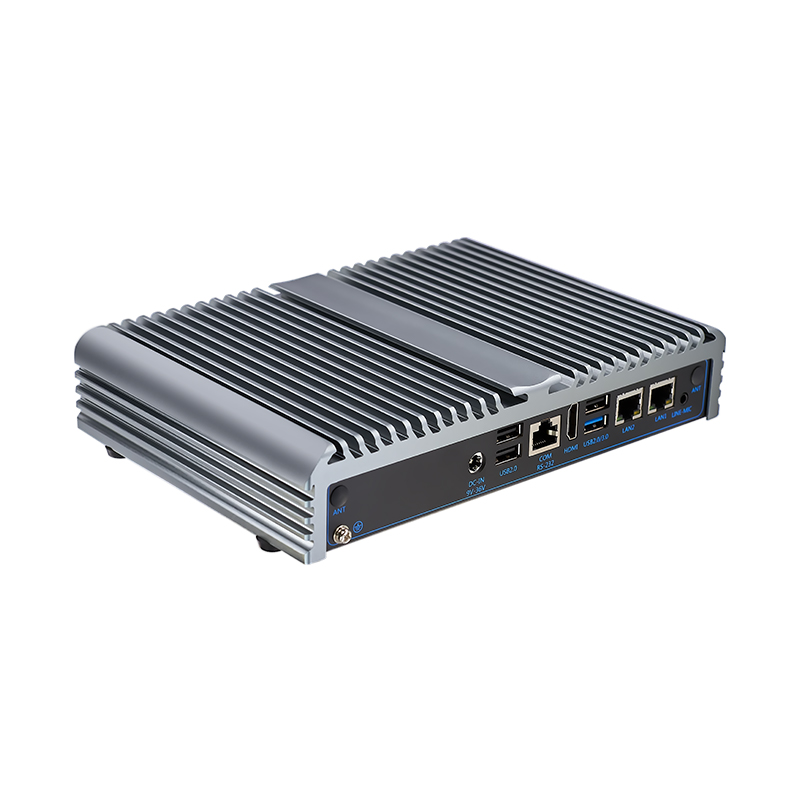
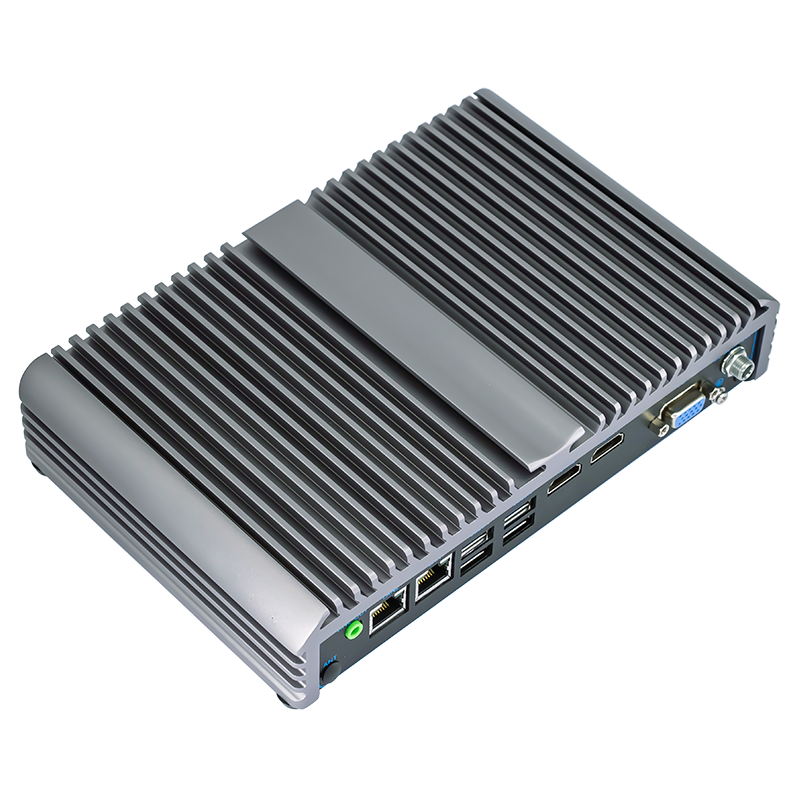
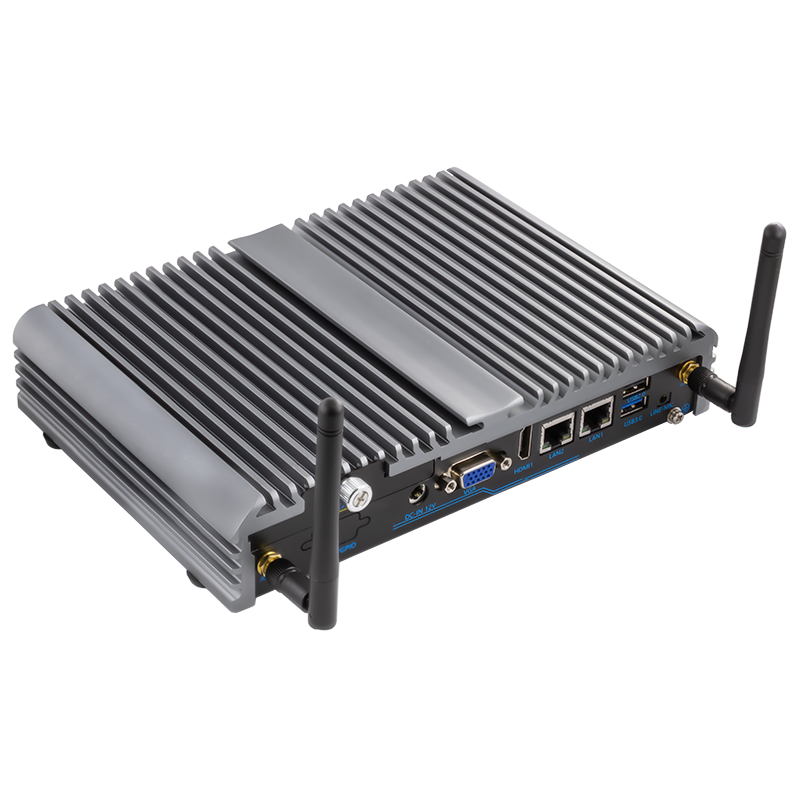
Fanless & Cable-less Design: Significantly reduces maintenance requirements and eliminates points of failure, ensuring maximum system stability and reliability.
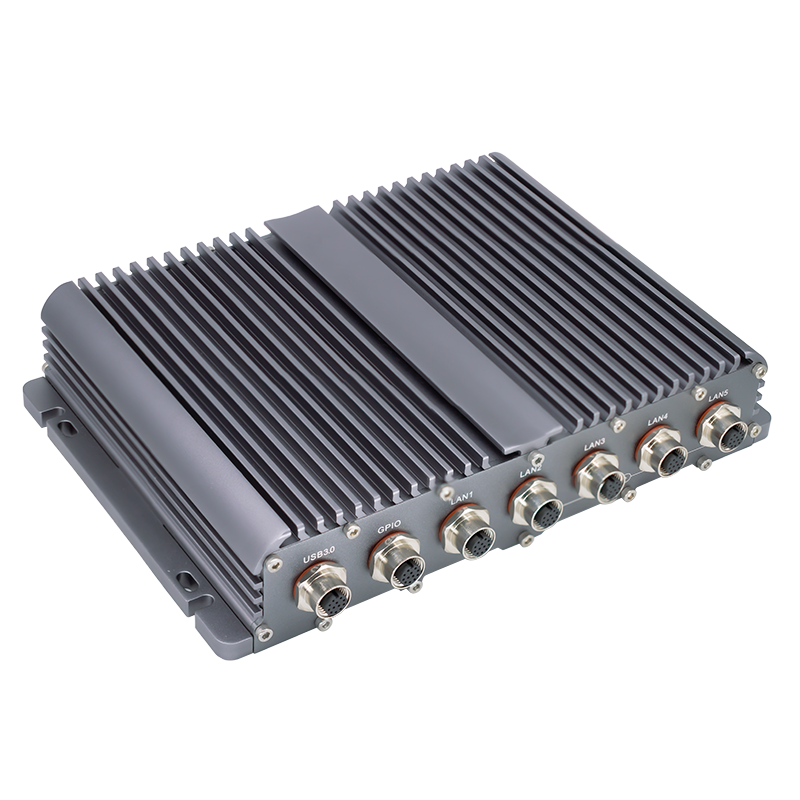
Rugged Steel Construction: The chassis features a high-strength steel structure with anti-magnetic, dust-proof, and impact-resistant capabilities. The "three-proof" design ensures durability in extreme conditions.
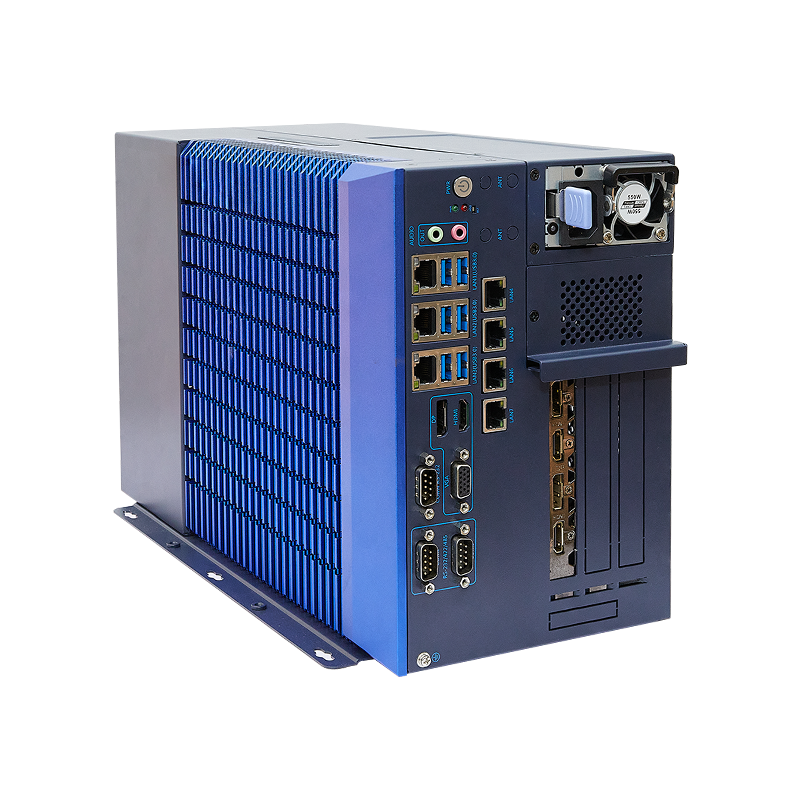
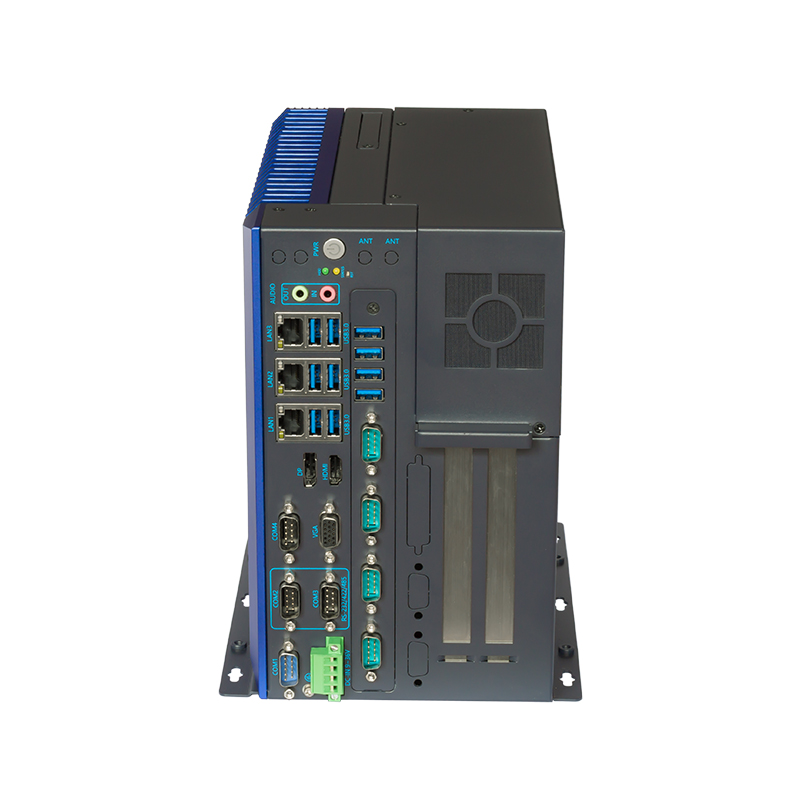
Flexible Modular Expansion: Supports optional PCI/PCI-E/ISA expansion slots for multi-network requirements. High-grade CPUs provide a balance of performance and cost-effectiveness.
Industrial-Grade Power Supply: Equipped with a dedicated internal power supply featuring superior anti-interference and wide-voltage capabilities.
Compact & Easy Integration: Lightweight and space-saving designs allow for easy installation into control cabinets or terminal equipment.
2. Comprehensive Classification: From 4U to Rugged Industrial PCs
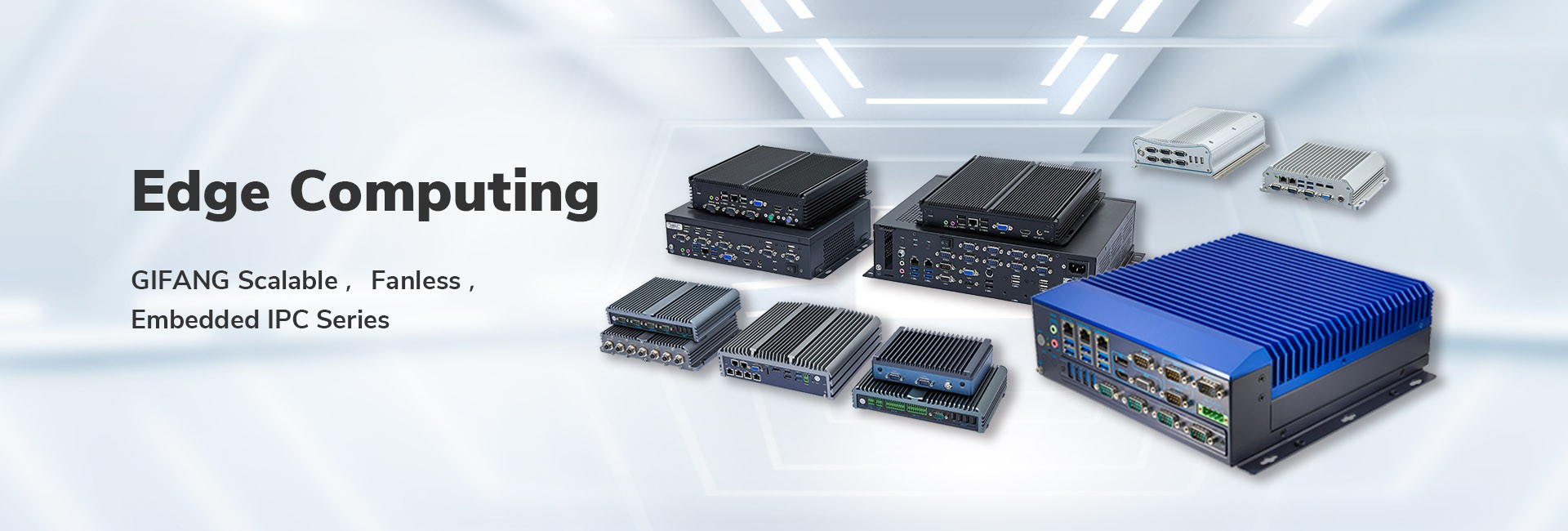
Box PC (Fanless Industrial Computer): Known for its compact size and maintenance-free operation. These can fully replace traditional 4U systems in many performance-heavy applications.
Industrial Panel PC (HMI): A premium all-in-one solution for Human-Machine Interface, focusing on safety and stability for production process control.
4U Rackmount Industrial Computer: A 19-inch standard rackmount system based on the ATX architecture, ideal for large-scale industrial control.
Rugged Industrial Computer: Specifically reinforced in electrical and mechanical structure for ultimate environmental adaptability and modularity.
3. Wide Range of Applications
GIFA embedded computers act as the vital hardware carrier for various sectors:
Factory Automation & Machine Vision: Real-time monitoring, process control, and high-speed data acquisition for robotic cells and CNC lines.
Intelligent Transportation: Subway fare collection (AFC), subway gates, vehicle-mounted terminals, and smart traffic management.
Smart Infrastructure: Financial equipment terminals, self-service inquiry machines, and medical equipment.
Edge Computing: Interfacing with sensors and actuators for decentralized monitoring and industrial IoT.